
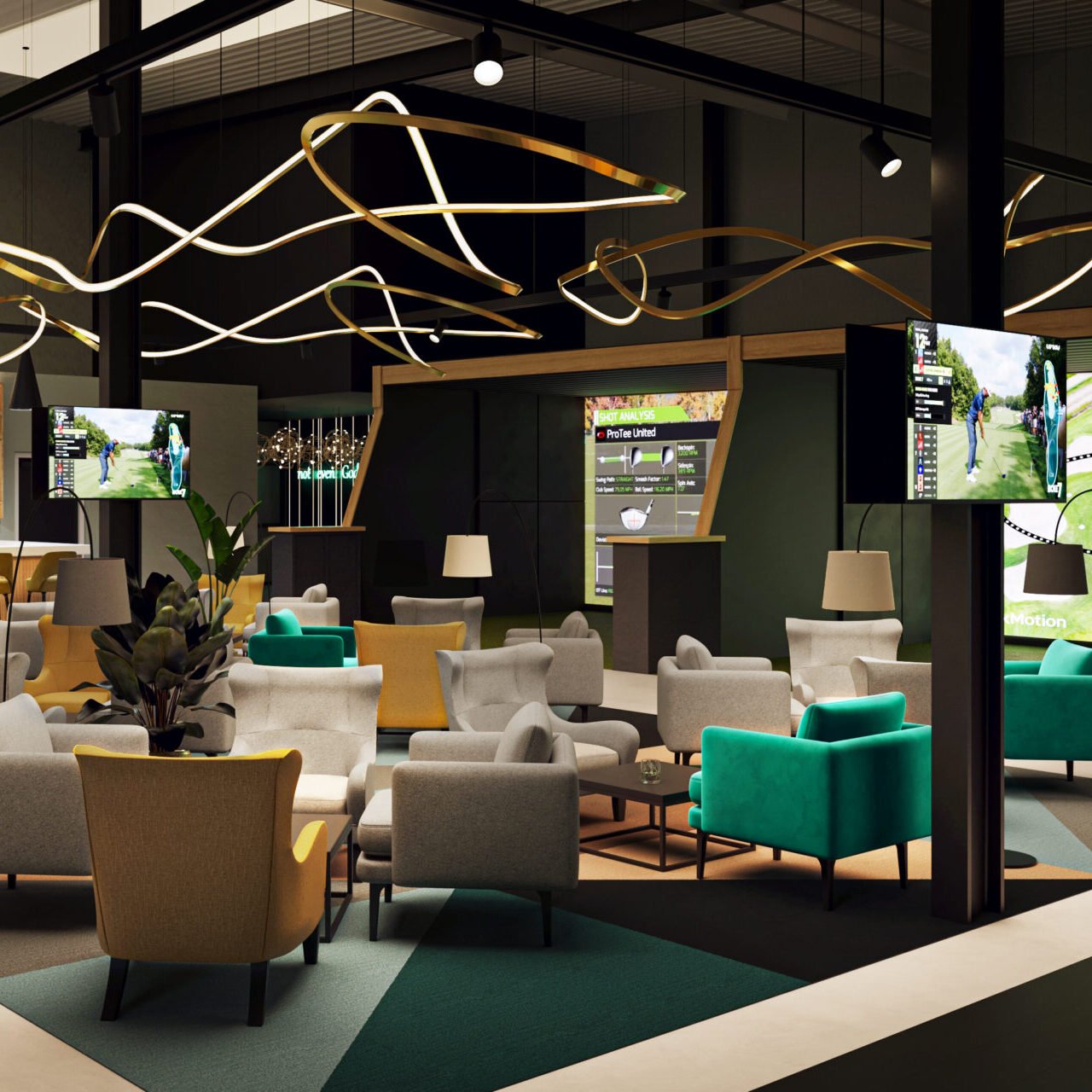
The indoor commercial golf simulation market is booming. From dedicated golf lounges to competitive socialising venues, the demand for high-performance entertainment spaces is outpacing supply. But for investors and entrepreneurs, the gap between a “good idea” and a “profitable reality” is often defined by one thing: Capital Expenditure (CAPEX) accuracy.
We often see business plans that account for the simulators but forget the air conditioning. Or budgets that cover the rent but miss the acoustic partitioning required by a city-centre landlord.
To help with your planning, we are sharing insights from some real-life examples.

Phase 1: The Timeline (It Takes Longer Than You Think)
Before a single wall is built, you are in the “Red Tape” phase. A realistic roadmap for a commercial venue looks like this:
- Site Acquisition (Months 1-3): Finding a unit with the right ceiling height (minimum 3m-3.5m) and column spacing is the hardest part.
- The “Must-Have” Surveys (Month 3): Critical Step. Before you sign any lease, you must commission professional surveys.
- Mechanical & Electrical (M&E): Is the existing HVAC unit 5 years old or 25? Does the distribution board have spare capacity for IT equipment?
- Structural: Can the floor slab take the load? Are there hidden columns?
- Asbestos: Essential for any older building.
- Why? Discovering you need a £100k HVAC replacement after signing the lease destroys your budget. Knowledge is leverage in lease negotiations.
- Lease & Planning (Months 3-7): Negotiating heads of terms, securing Change of Use (often Class E to Sui Generis for leisure), and getting landlord approval for alterations. Design & Costing: This is where Kinetik Spaces steps in to survey, design, and cost the build.
- The Build (Months 8-11): 16 Weeks. This is the standard duration for a high-spec, medium-sized facility.
Total Time to Launch: Realistically 9-12 months from idea to opening.
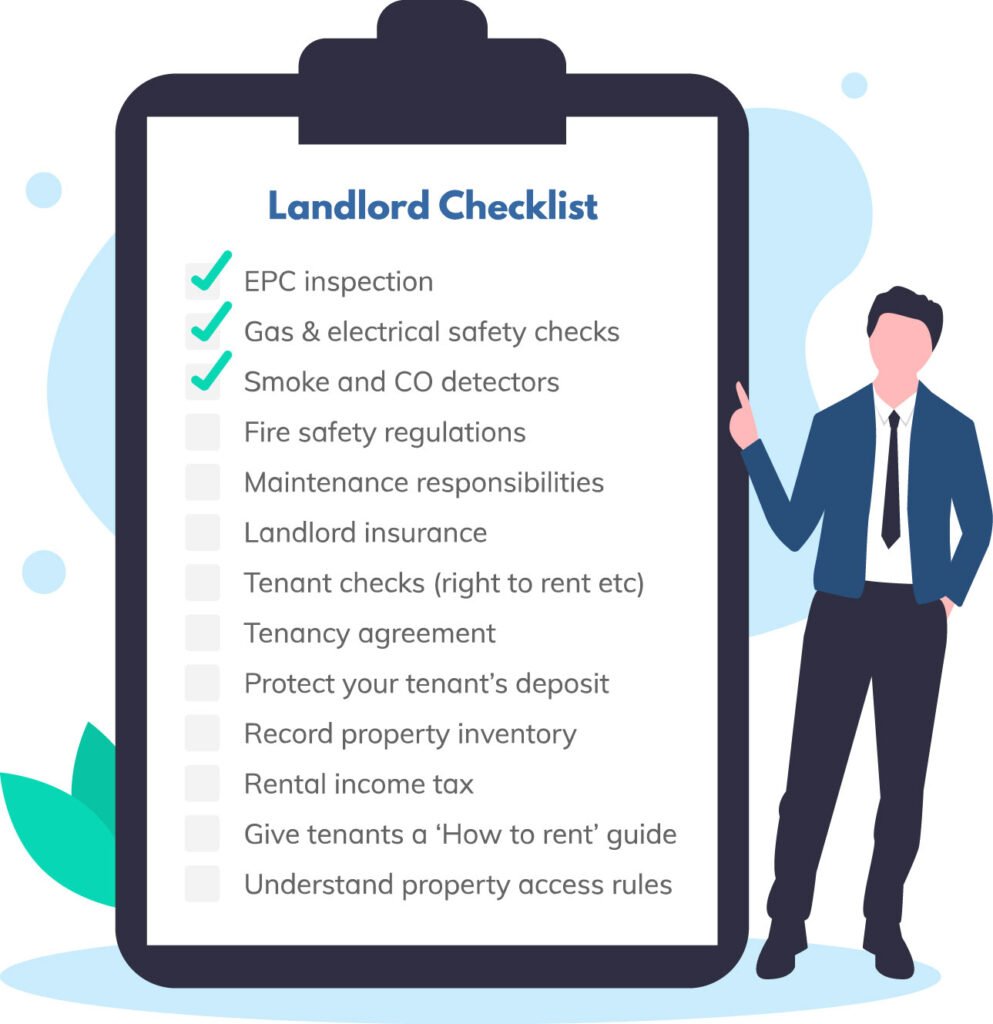
Phase 2: The Landlord’s Fit-Out Guide (The Rulebook)
If you are leasing a commercial space, especially in a city centre (like Central London) or a large shopping complex, you cannot just turn up with a drill.
You will be contractually bound by a Landlord’s Fit-Out Guide.
This document dictates how you can build, and it often adds cost and complexity that must be budgeted for.
Common Restrictions & Requirements:
- Restricted Access: In busy locations (like EC4 in London), deliveries might only be allowed between 4am-7am or late at night to avoid disrupting other tenants or traffic. This increases labour costs for “out-of-hours” work.
- System Integration: You won’t just be installing your own fire alarm. You will often need to integrate your system into the building’s main “House” fire and security loop. This requires specialist sub-contractors approved by the landlord.
- Noise & Nuisance: Landlords will demand strict acoustic ratings (dB reduction) for your partitions and floors to ensure your simulators don’t disturb the law firm upstairs or the hotel next door.
- Permits to Work: Every major activity (hot works, electrical connection) requires a permit, signed off by building management. This adds administrative time to the project.
The Kinetik Advantage: We act as the Principal Contractor, managing the landlord relationship, the permits, and the compliance so you don’t have to.
Phase 3: The Build Costs (Where the Budget Actually Goes)
Using our real-world project data, here is a breakdown of the costs for a premium facility.
Note: These figures are averages based on comprehensive fit-outs including 5-6 high-spec bays, hospitality areas, and full mechanical integration.
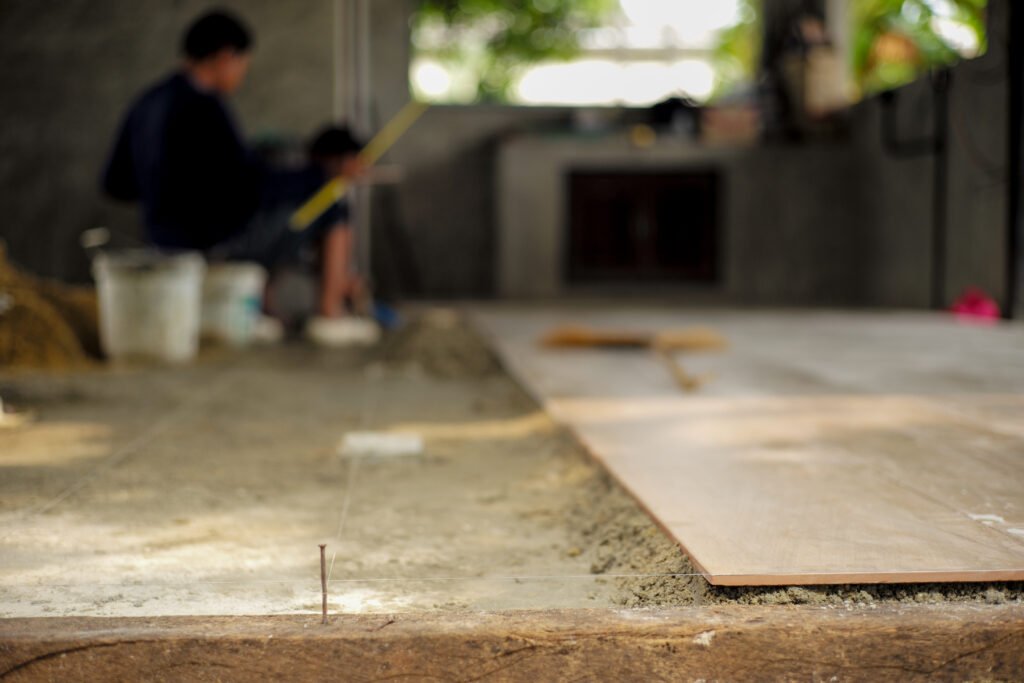
1. The Shell Condition: The Biggest Variable
Before looking at any other cost, you must assess the “Shell & Core” of your building. This single factor can swing your budget by £100k+.
- Floors: Is the concrete slab level? A golf simulator requires a perfectly flat surface for the tee area and sensor calibration.
- Cost Range: £10k – £55k.
- Scenario A (Simple Overlay): If the slab is in excellent condition, we can lay our specialist acoustic underlay and commercial carpet/turf directly. This keeps costs towards the lower end (£10k-£30k).
- Scenario B (Remedial Works): If the existing slab is uneven or damaged, we must pour a self-levelling compound or even re-concrete sections before we can lay our specialist flooring. This pushes costs up significantly (£50k+).
- Mechanical (HVAC): Does the unit have existing air conditioning and ventilation?
- Scenario A (Reuse): If the system is modern, functional, and has capacity, we can often adapt the ductwork to suit your new layout. This is the “golden ticket” scenario. Cost: ~£0 – £10k (minor adaptations).
- Scenario B (New Install): If you need a new system, costs vary wildly. A simple install with easy access might cost £25k. However, if the site has complexities—such as needing roof access for condensers, long duct runs, or specialist kitchen extraction—costs can easily rise to £128k – £150k.
- Tip: Always get a mechanical survey before signing the lease.
2. Electrical & Safety
This isn’t just about lights and sockets. A simulator venue is a data-heavy environment.
- Electrical: £40k – £85k.
- What this includes: This budget covers a complete electrical fit-out, including the heavy load distribution board for projectors/PCs, specialist lighting rigs, full data cabling (Cat6/7) for every bay, commercial-grade WiFi access points, and a complete comms room setup (including rack build, switches, and gateway controllers). The installation is fully tested and signed-off to BS7671 regulations.
- Cost Variance: Simpler environments with existing infrastructure may start around £40k, while a full strip-out and rewire for a high-tech facility will push costs towards £85k.
- Fire & Safety: £13k – £18k. Fire alarms, intruder systems, and CCTV. Non-negotiable for insurance and licensing.
3. The Aesthetics
To command a premium hourly rate (£40-£60/hr), the environment must feel high-end.
- Partitioning & Ceilings: £25k – £90k. This varies wildly based on acoustic requirements.
- Joinery & Finishes: £120k+. This is the “wow” factor. Custom bars, bespoke bay dividers, and bench seating.
4. The Technology (The Engine Room)
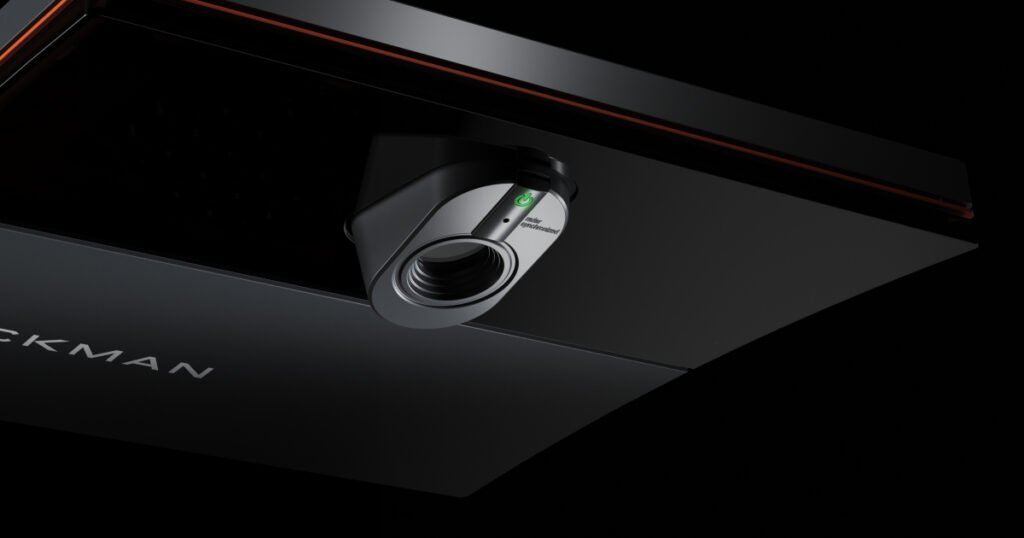
We only work with the best. For a premium commercial venue, there is only one choice: Trackman.
- Budget: £145,000 – £175,000 (for 5-6 bays).
- Per Bay Cost: ~£29,000.
- Includes: Trackman iO (specifically designed for indoor use), high-spec gaming PCs (RTX 5080s), 4K laser projectors, dual-layer impact screens, and active soundbars.
- Why Trackman? It is the global standard. Your customers trust the data, and the software ecosystem (leagues, tournaments) drives repeat business like no other platform.
5. Space & Bay Configuration: The Trade-Off
One of the most critical decisions is balancing bay size against bay count.
- The Premium Experience (5m+ Width): Large, wide bays (5m+) offer the ultimate luxury experience. Players have ample space, centre-hitting is possible, and the environment feels expansive. However, fewer bays mean lower maximum revenue capacity.
- The Revenue Maximiser (Smaller Bays): To maximise revenue per square foot, you might squeeze more bays into the available footprint. While this increases potential income, it compromises the “luxury” feel.
- Technical Implications: Smaller or narrower bays typically require off-centre hitting configurations to ensure safety and swing clearance. This necessitates the Trackman iO Duo, a dual-camera/radar unit specifically designed to track from an offset position accurately. This is a technical constraint that must be factored into your layout design early.
6. Furniture, Fixtures & Equipment (FF&E)
- Budget: £10,000 – £55,000.
- Includes: Sofas, bar stools, coffee tables, and decorative lighting.
7. The Preliminaries
- Cost: £30,000 – £80,000.
- Includes: Site management, skip hire, health & safety compliance, and insurance.
8. Audio-Visual & Signage: The Immersive Layer
Beyond the simulators themselves, a modern venue relies on a comprehensive AV ecosystem to drive revenue and atmosphere.
- Signage Screens: You need multiple 4K displays throughout the venue—behind the bar for digital menus, in waiting areas for live sport, and potentially outside each bay for booking info/leaderboards.
- Zoned Audio: A commercial-grade audio system (e.g., Sonos Professional or similar) allows you to zone the atmosphere. You might want high-energy music in the bar area but a calmer focus playlist in the simulation bays.
9. Catering & Bar Equipment
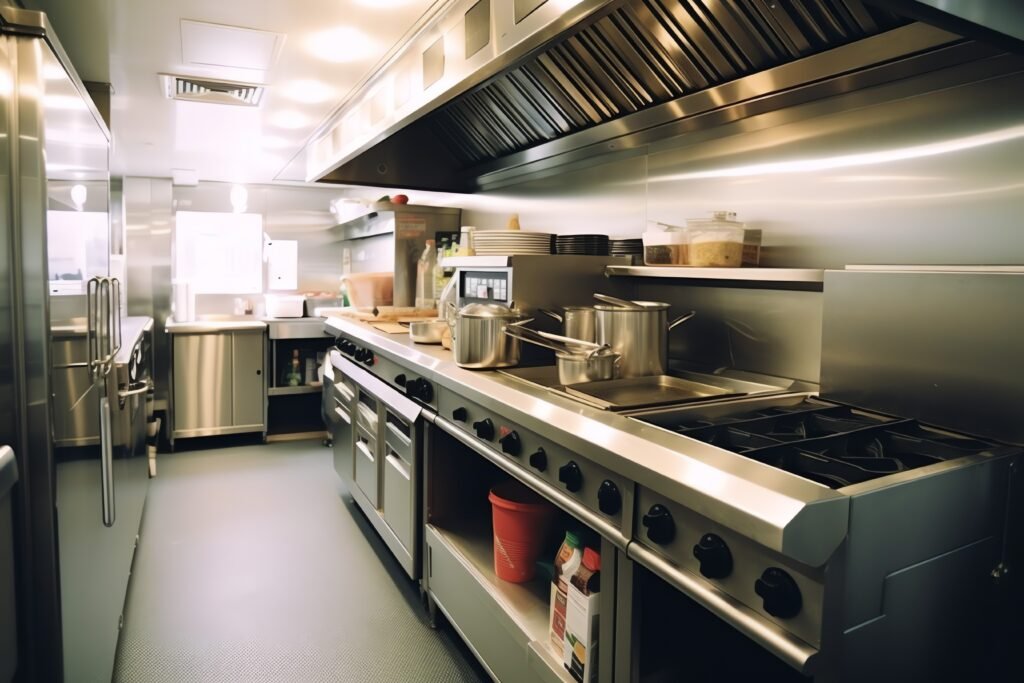
Often overlooked in initial budgets, the “back of house” equipment is critical for your F&B revenue.
- Budget Impact: While costs vary significantly based on your menu, expect to budget £15k – £40k+ for commercial-grade equipment.
- Includes: Glass washers, ice machines, bottle fridges, speed rails, and if you are serving food, ovens, prep tables, and extraction. Remember, if you need kitchen extraction (for frying/cooking), this will also impact your HVAC budget significantly.
Phase 4: Location & Seasonality: City vs. Out-of-Town
Your venue’s location will fundamentally shape its revenue model and utilisation rates.
- Inner City (Social Focus):
- Profile: High footfall, corporate groups, and social gatherings.
- Utilisation: Consistent year-round. These venues are “destination” social spots, less dependent on the weather.
- Revenue Driver: Food & Beverage (F&B) and social bookings often outweigh pure “practice” sessions.
- Out-of-Town (Golf Focus):
- Profile: Dedicated golfers, ample parking, often larger premises.
- Utilisation: Highly seasonal. In summer, serious golfers head to the outdoor course. In winter, utilisation spikes as players seek shelter to keep their swing in check.
Revenue Driver: Memberships, lessons, and winter leagues are critical to smoothing out the seasonal dip.
Summary: The Investment Case
The total investment varies drastically based on the condition of your chosen building. Whether you secure a modern unit ready for a “Smart Fit-Out” or take on a full “Shell & Core” project for a flagship venue, understanding these costs upfront is critical.
- Investment Range: £450k – £950k (Depending on shell condition and finish).
- Revenue Potential: 6 Bays @ £50/hr x 40% utilisation (12hr day) = £1,440/day pure bay revenue.
- Add F&B: Hospitality typically adds another 30-40% on top.
The Bottom Line: You can build cheaper, but you can’t build profitable with cheap materials. Commercial venues fail when equipment breaks, rooms get stuffy, or the finish looks cheap.
At Kinetik Spaces, we don’t just build simulators; we engineer businesses. We manage the complexity of M&E, acoustics, and landlord compliance so you can focus on filling the tee sheet.